
What costs are they not telling you about when buying a property?
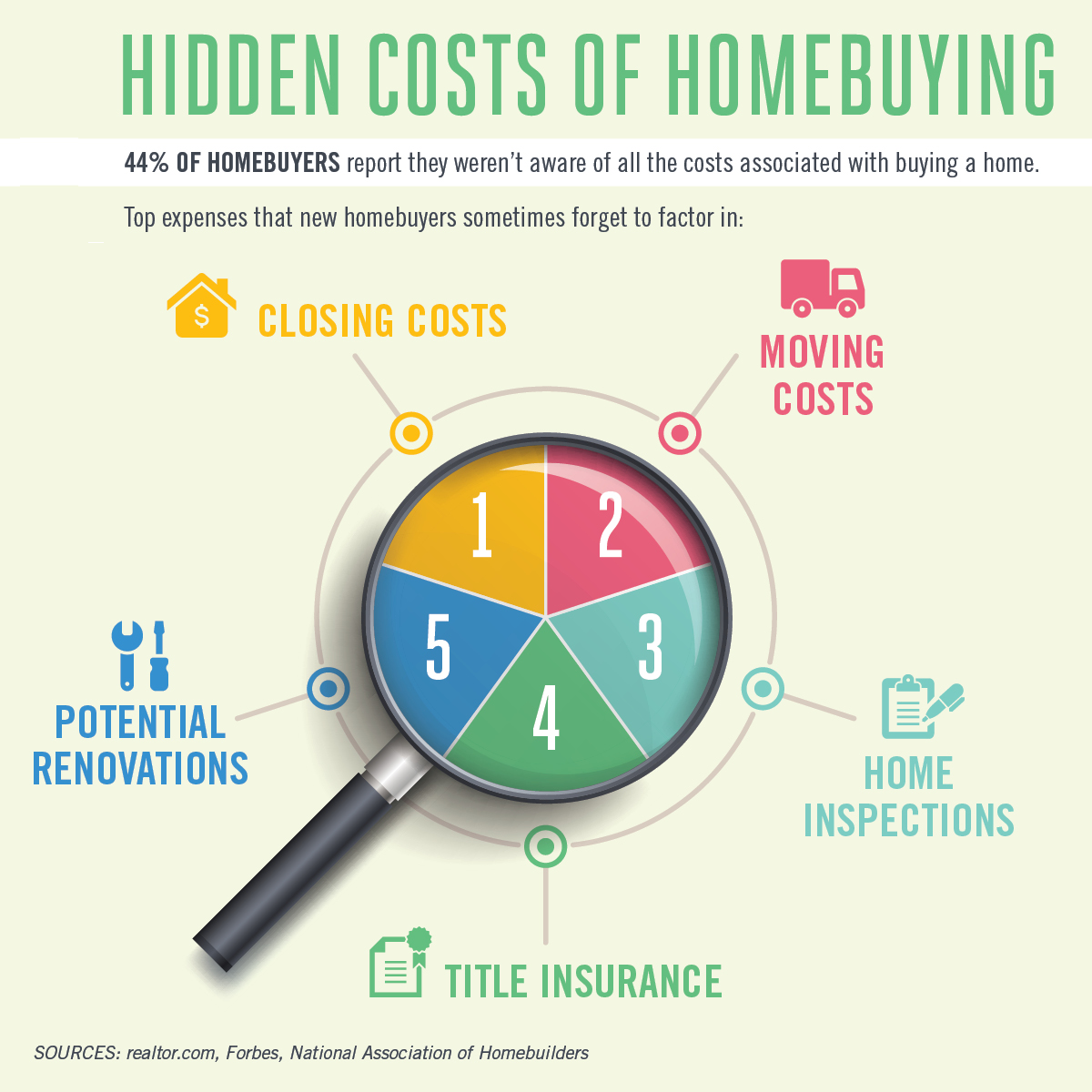
When buying a home, most people focus on the purchase price and down payment. But in reality, those are just the beginning. Many buyers are surprised—sometimes uncomfortably—by additional expenses that show up before, during, and after closing.
Understanding these hidden costs ahead of time can help you budget smarter, avoid financial stress, and make a more confident decision.

Closing Costs Add Up Quickly
Closing costs typically range from 2% to 5% of the home’s purchase price, and they’re due on closing day. These fees often include:
-
Loan origination and underwriting fees
-
Appraisal and credit report costs
-
Title search and title insurance
-
Attorney or escrow fees
-
Recording and filing fees
Because these costs are spread across multiple line items, buyers sometimes underestimate the total until the final disclosure arrives.
Home Inspections Can Lead to Bigger Expenses
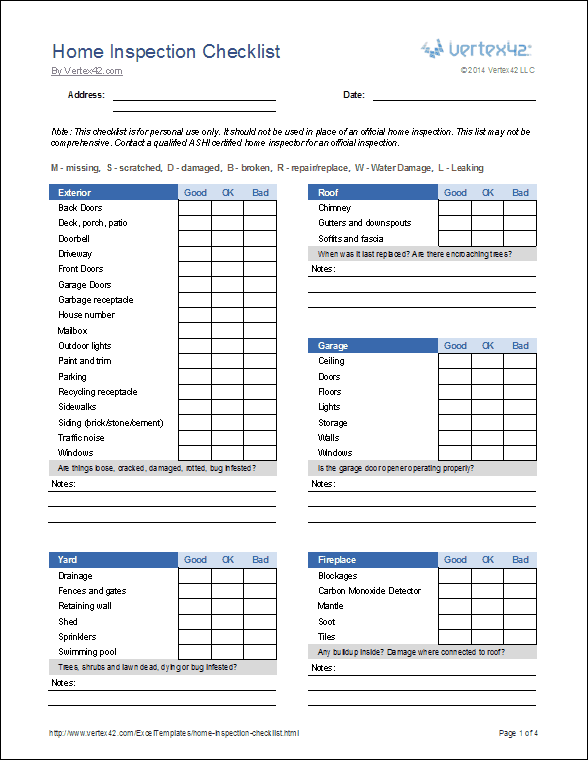
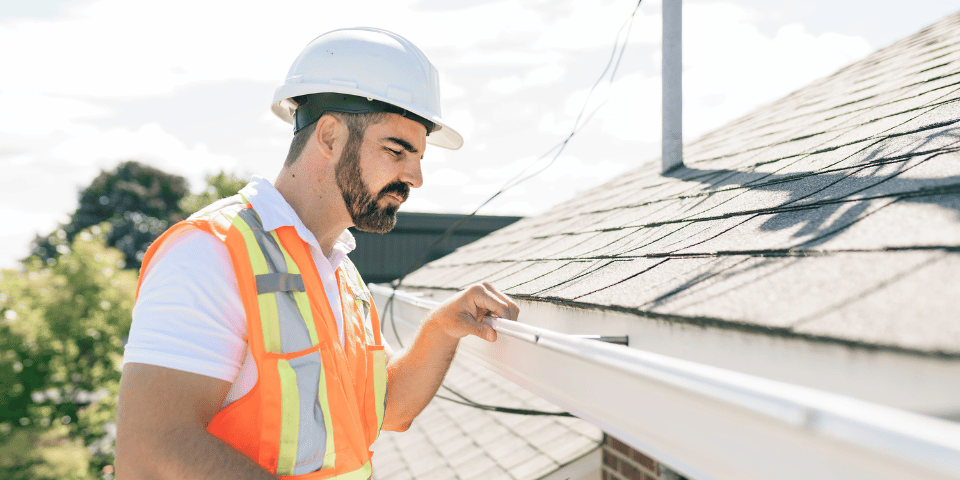
While a standard home inspection usually costs a few hundred dollars, the real expense comes from what the inspector finds. Common issues include:
-
Roof damage or aging shingles
-
Outdated electrical or plumbing systems
-
HVAC systems near the end of their lifespan
-
Foundation or moisture problems
Even if the seller agrees to credits or repairs, buyers often take on additional costs after moving in.
Property Taxes May Be Higher Than You Expect
Property taxes vary widely by location, but many buyers are surprised when:
-
Taxes increase after the home is reassessed
-
The previous owner had exemptions you don’t qualify for
-
Taxes are prorated at closing, resulting in a large upfront payment
Higher property taxes directly impact your monthly mortgage payment and long-term affordability.
Homeowners Insurance Isn’t Always Just One Policy
Lenders require homeowners insurance, but depending on the property’s location, you may also need:
-
Flood insurance
-
Hurricane or windstorm coverage
-
Earthquake or wildfire insurance
These additional policies can significantly increase annual costs and are often non-negotiable.
Maintenance and Repairs Start Immediately
Even newer or “move-in ready” homes require maintenance. New homeowners often face costs such as:
-
Painting and cosmetic updates
-
Replacing appliances
-
Fixing small but urgent issues
-
Lawn care and landscaping
Industry experts often recommend budgeting 1%–3% of the home’s value per year for maintenance alone.
HOA Fees and Special Assessments
If the property is part of a homeowners association (HOA), you may be responsible for:
-
Monthly or quarterly HOA dues
-
Unexpected special assessments for major repairs
-
Compliance costs with community rules
These fees can change over time and directly affect your monthly housing budget.
Utility Setup and Ongoing Costs
Utilities are another often-overlooked expense. Buyers may need to pay for:
-
Utility connection or deposit fees
-
Higher heating or cooling costs than expected
-
Water, sewer, trash, and recycling services
-
Internet and cable installation
Larger homes or older systems can significantly increase monthly utility bills.
 Interest Costs Over the Life of the Loan
A slightly higher interest rate may not seem like much at first, but over a 30-year mortgage, it can mean tens of thousands of dollars in additional interest payments. This is one of the most expensive “invisible” costs of buying a home.
Moving, Furniture, and Setup Expenses
After closing, many buyers face immediate out-of-pocket costs, including:
-
Professional movers or truck rentals
-
New furniture and appliances
-
Window treatments and lighting
-
Security systems or smart home upgrades
These costs can quickly climb into the thousands.
Final Thoughts
Buying a home is exciting, but it’s also one of the biggest financial commitments you’ll ever make. The key to avoiding surprises is planning beyond the down payment. Ask for a detailed cost estimate, review disclosures carefully, and work with experienced professionals who are transparent about the full picture.
A well-informed buyer is a confident buyer—and confidence can save you money in the long run.

How Much Money Do You Really Need to Buy a Home in Massachusetts? Buying a home is one of the biggest financial decisions most people will ever make. If you're planning to buy a home in Massachusetts in 2026, one of your first questions is Read more

Is Fall 2026 a Good Time to Buy a Home in Massachusetts? Fall can be an excellent time to buy a home in Massachusetts. While spring and summer traditionally attract more buyers, the autumn market often creates opportunities for people who are prepared to move Read more

Home Staging Tips That Help Sell Faster When you're preparing to sell your home, first impressions matter. Buyers often decide how they feel about a property within the first few minutes of a showing—and sometimes before they ever walk through the door. That's where home Read more

How to Price Your Home Correctly in Massachusetts Selling your home in Massachusetts begins with one of the most important decisions you'll make: choosing the right listing price. Price too high, and qualified buyers may overlook your property. Price too low, and you could potentially Read more