
Is It Worth Buying a Modular Home? A Complete Guide for Homebuyers
Discover whether buying a modular home is worth it. Learn about the benefits, costs, financing, construction quality, and key considerations before investing in a modular home.
Introduction
In recent years, modular homes have become a popular option for homebuyers looking for affordability, quality, and faster construction times. But with so many housing choices available—traditional stick-built homes, mobile homes, tiny homes, and prefabricated structures—one important question remains: Is it worth buying a modular home?
For many families, the answer is yes, but it depends on your lifestyle, budget, and long-term goals. This post breaks down everything you need to know before deciding.
What Is a Modular Home?
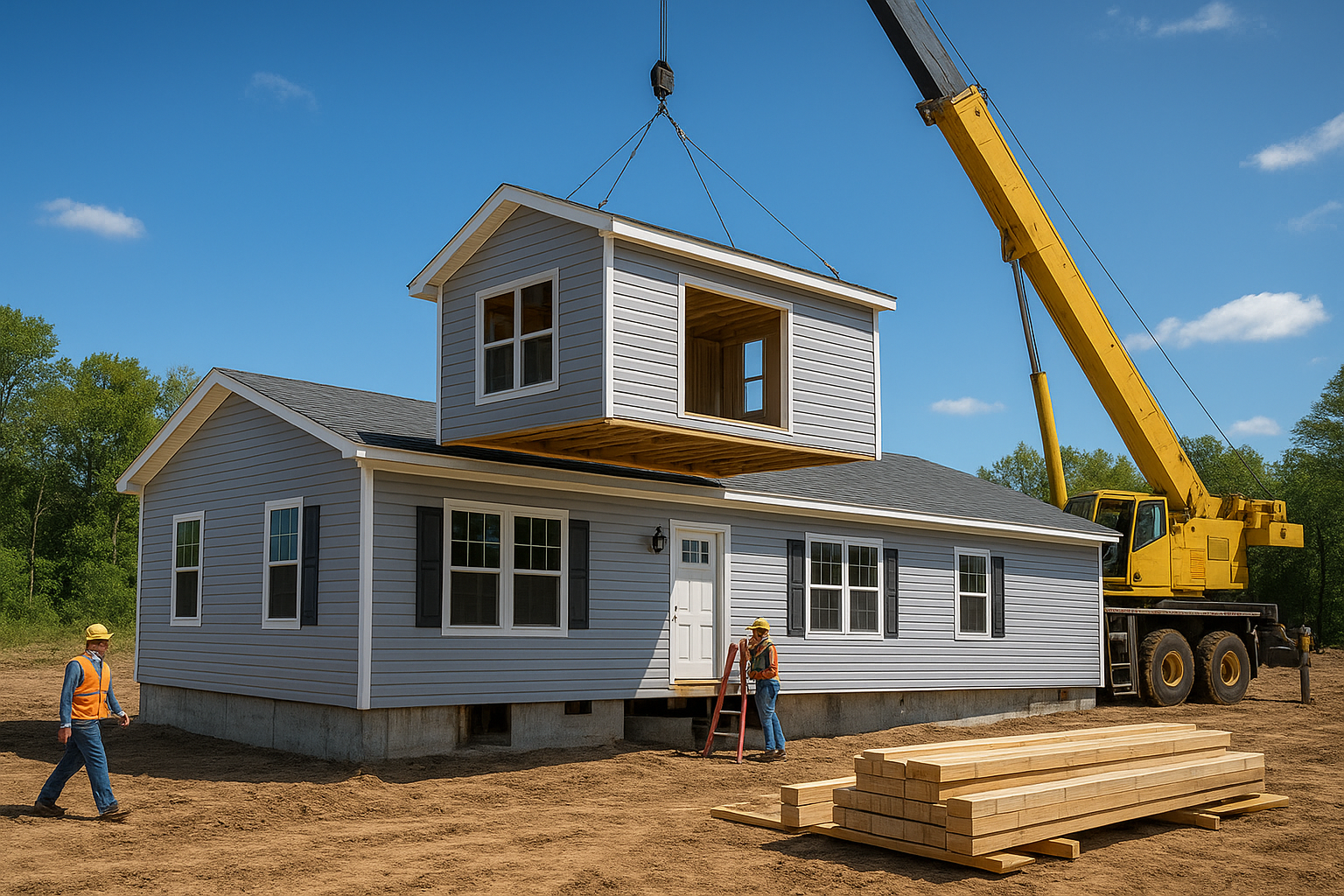
A modular home is built in sections—or “modules”—inside a climate-controlled factory. These modules are transported to the building site and assembled on a permanent foundation, similar to a traditional home. This makes modular homes different from manufactured (mobile) homes, which are built on a metal chassis and classified differently for legal and financing purposes.
Modular homes must follow local and state building codes, making them just as durable and safe as traditional homes.
Advantages of Buying a Modular Home
1. Faster Construction Time
One of the biggest advantages is speed. Because modular homes are built indoors:
-
No weather delays
-
Consistent production schedule
-
Installation on-site can take just a few weeks
Many homeowners move into their new modular home in 3–4 months, compared to 9–12 months for traditional construction.
2. Cost Savings
Modular homes are generally less expensive due to:
-
Efficient manufacturing
-
Bulk material purchasing
-
Reduced labor costs
Prices vary by state, but on average modular homes cost 10–20% less than traditional stick-built houses.
3. High-Quality Construction
Factory production ensures:
-
Precise measurements
-
Consistent quality control
-
Stronger structural integrity (modules must withstand transportation)
In many cases, modular homes are even stronger than traditional homes, especially in terms of frame alignment and durability.
4. Energy Efficiency
Most modular homes are built with modern insulation, energy-efficient windows, and energy-saving HVAC options. This means:
-
Lower utility bills
-
Better temperature control
-
Higher resale appeal
5. Customization Options
Today’s modular homes are not “cookie-cutter.” Buyers can customize:
-
Layout
-
Floor plan
-
Exterior finishes
-
Kitchen/bath designs
-
Energy packages
Some luxury modular homes rival high-end traditional properties.
Potential Drawbacks of Modular Homes
1. Land and Site Preparation Costs
A modular home needs:
-
Land
-
Foundation
-
Utilities (water, sewer, electricity)
-
Permits
These costs vary widely by location and can add significantly to the total budget.
2. Limited Builders in Some Areas
Not every region has modular home factories or experienced installers. In rural areas, transportation can also add costs.
3. Financing Differences
Financing a modular home is straightforward compared to manufactured homes, but still:
-
Some lenders may require additional documentation
-
Appraisals may involve fewer comparable sales if modular homes are uncommon in the area
In most cases, modular homes qualify for conventional mortgages, FHA, and VA loans.
4. Zoning Restrictions
Some communities may have zoning rules that affect:
-
Minimum square footage
-
Design appearance
-
Placement on certain lots
It’s important to verify these regulations before purchasing.

Are Modular Homes a Good Investment?
Yes—modular homes generally appreciate in value just like site-built homes, as long as:
-
They are placed on permanent foundations
-
They follow local building codes
-
The neighborhood maintains stable or increasing property values
Because they are durable and energy-efficient, modular homes hold their value well and sometimes outperform traditional homes in resale.
Who Should Consider a Modular Home?
A modular home is worth considering if you:
-
Want a new home without the long construction delays
-
Have a specific budget but still want quality
-
Prefer energy-efficient materials
-
Want customization
-
Own land or plan to purchase land
-
Need a faster move-in date
Modular homes are excellent for first-time buyers, retirees, families, and those seeking affordability without sacrificing style.
Conclusion: Is It Worth Buying a Modular Home?
For most buyers, yes—buying a modular home is worth it. They offer excellent value, modern designs, strong construction, and quicker build times. However, like any real estate decision, it’s important to consider land costs, zoning laws, and your long-term goals.
If you want a high-quality home at a lower price—and without the headaches of traditional construction—a modular home might be the perfect fit for you.

Know When to Refinance Your Home: A Complete Guide for Homeowners ⏱️ Estimated Reading Time: 4 minutes Refinancing your home can be a powerful financial move—but only when done at the right time. Many homeowners miss out on significant savings simply because they don’t recognize Read more

How Oil Prices Influence the Real Estate Market Over Time At first glance, oil prices and real estate may seem unrelated. However, when you look deeper, the connection becomes clear. Oil is a fundamental driver of the global economy, and therefore, fluctuations in oil prices Read more

🏠 What to Look for When Buying a House: 10 Major Red Flags Buying a home is one of the biggest financial decisions you’ll ever make. However, while a property may look perfect on the surface, hidden issues can quickly turn your dream home into Read more

First-Time Home Buyer Tips in Massachusetts: A Complete Guide Buying your first home is an exciting milestone, but it can also feel overwhelming—especially in a competitive market like Massachusetts. From understanding financing options to navigating the local housing market, first-time buyers need the right information Read more